
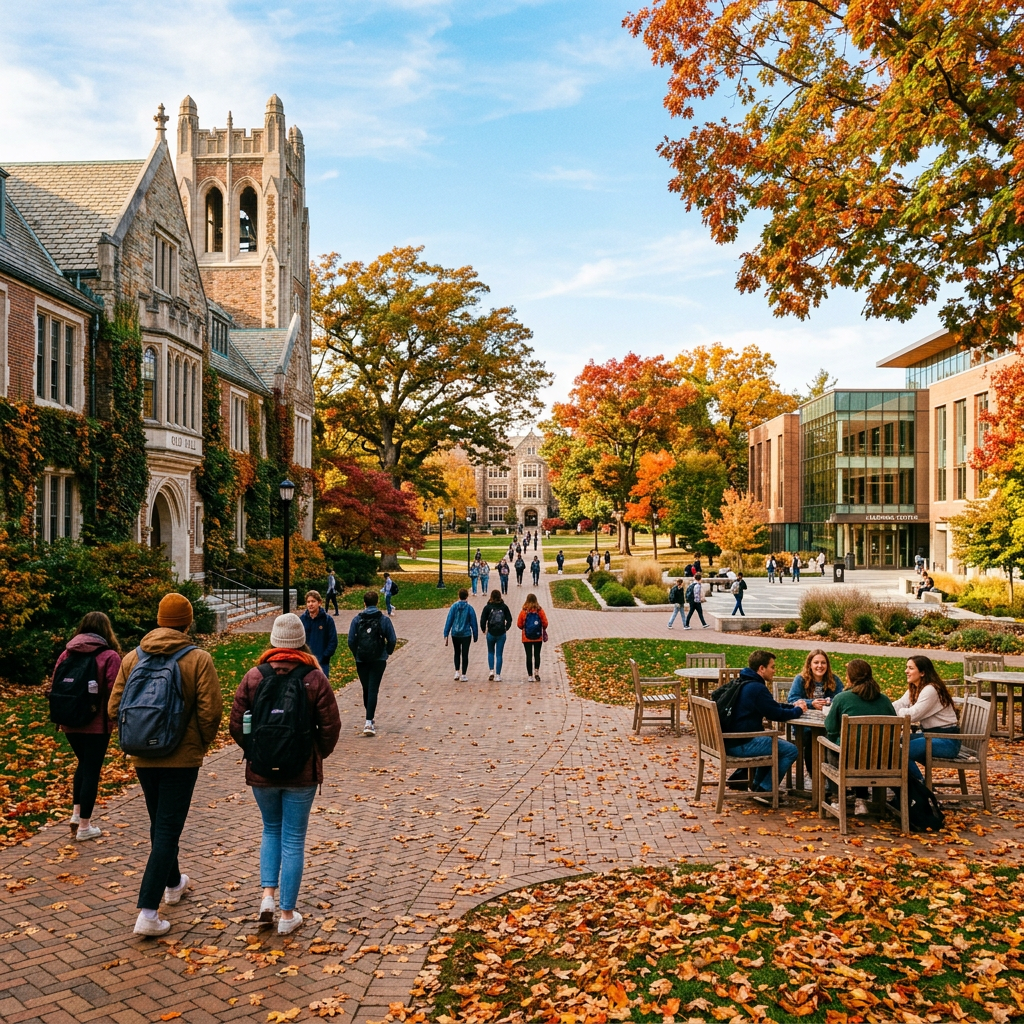
A college campus visit is one of the most valuable steps you can take in your college search. Walking the grounds, sitting in classrooms, and talking with current students gives you insights no brochure or website can provide. But to get the most out of your visit, you need a strategic approach. Here’s how to make every moment count.
Prepare Before You Arrive
Your college visit actually begins before you set foot on campus. Take time to thoroughly explore the college’s website and read through their materials. This prep work helps you ask informed questions and shows the admissions office that you’re serious about their school.
If you’re visiting multiple colleges in one day, take a few minutes to refresh your memory about each school just before you arrive. This might sound simple, but after visiting several campuses, the details can blur together. Plan to spend at least a half day at each college—this gives you enough time to get a genuine sense of the place without feeling rushed.
Get a Feel for Campus Life
The physical environment matters more than you might think. Ask yourself: Is this campus too big or too small for me? Does the nearby town appeal to me, or do I feel isolated? Pay attention to practical details too—how would you get around campus in bad weather? Can you see yourself navigating these paths multiple times a day?
Walk around and observe the campus vibe. This is your chance to get a sense of whether you’d feel comfortable here for four years.
Attend the Information Session and Meet Admissions Staff
Visit the admissions office and participate in their information session. This is where you ask questions that really matter: What makes this academic program special? What does the typical successful student look like here?
If your schedule allows, consider scheduling a formal interview with an admissions staff member. Come prepared with a resume highlighting your grades and activities. Dress nicely but stay true to yourself—admissions officers appreciate authentic presentations over overly formal ones.
Remember to take notes on any staff members you meet with and send personalized thank-you notes when you get home. This small gesture shows genuine interest and keeps you on their radar.
Take the Student-Led Tour and Talk With Current Students
The student-led campus tour offers valuable insights from someone actually living the college experience. Use this time to ask questions about everyday campus life that admissions staff might not fully capture. That said, keep in mind that tour guides are often selected or paid to represent the school, so they may not be entirely typical of the broader student body.
Beyond the formal tour, eat lunch in the student center and strike up conversations with students around campus. Do you feel comfortable among them? Could you see yourself here? These informal interactions often tell you more than any planned presentation.
Explore the Residential Experience
Your dorm will be your home for nine months of the year, so this matters. Find out what residential options are available—do they have all-freshman dorms? Coed floors? Interest-based housing?
Ideally, arrange in advance to spend a night in a dorm. Walking those halls with your suitcase in hand gives you a realistic picture. Picture yourself there: How do you feel about the location relative to classes and the student center? Can you imagine unpacking and settling in?
Connect With Faculty and Experts in Your Field
If you’re interested in a particular subject, try to arrange meetings with department heads or faculty members in that field. If you’re an athlete or involved in specific activities or sports, ask to meet with relevant coaches. Also try to connect with alumni from your high school—they can give you an insider’s perspective on whether this college is right for you.
Bring a resume that highlights your relevant experience and expertise. Ask about opportunities aligned with your skills and interests. Make sure to note the names of people you meet with and follow up with thank-you notes when you return home.
Observe Teaching and Learning Firsthand
Sit in on actual classes if possible. What’s the rapport like between professors and students? Are students engaged? Does the teaching style match how you learn best?
Spend time in the library too. Look through the book collection, explore the available technology, and seek out quiet study spaces. A strong library is a cornerstone of any good college experience.
Look Beyond the Books
College is about much more than academics. Explore the athletic facilities, theater, and student center. Read notices posted in dorms and on bulletin boards to get a sense of what students do for fun. Check out clubs, events, and activities. Can you see yourself joining in? Does this campus offer the extracurricular opportunities that matter to you?
Document Your Impressions Before They Fade
Here’s a critical tip: write down your thoughts immediately after leaving each campus. Seriously. After visiting two or three schools, the details start to blur. You’ll forget whether the dining hall was impressive or the quad felt too crowded or the library made you want to study.
Keep a simple pros-and-cons list for each school. Consider taking photos of key campus areas and buildings to help jog your memory later. These notes become invaluable when you’re comparing schools and trying to make your final decision.
Make Your College Visit Count
A college campus visit is an investment in your future. By approaching it strategically—preparing beforehand, exploring thoughtfully, connecting with the college community, and documenting your impressions—you’ll gather the information you need to make a confident decision about where you want to spend the next four years.
The best college for you is the one where you can truly see yourself thriving, both in and out of the classroom. Your campus visit is your opportunity to find it.